F1 had already been forced to abandon the Bahrain and Saudi Arabian rounds earlier this season amid the conflict in the region, reducing the 2026 calendar to 22 races.
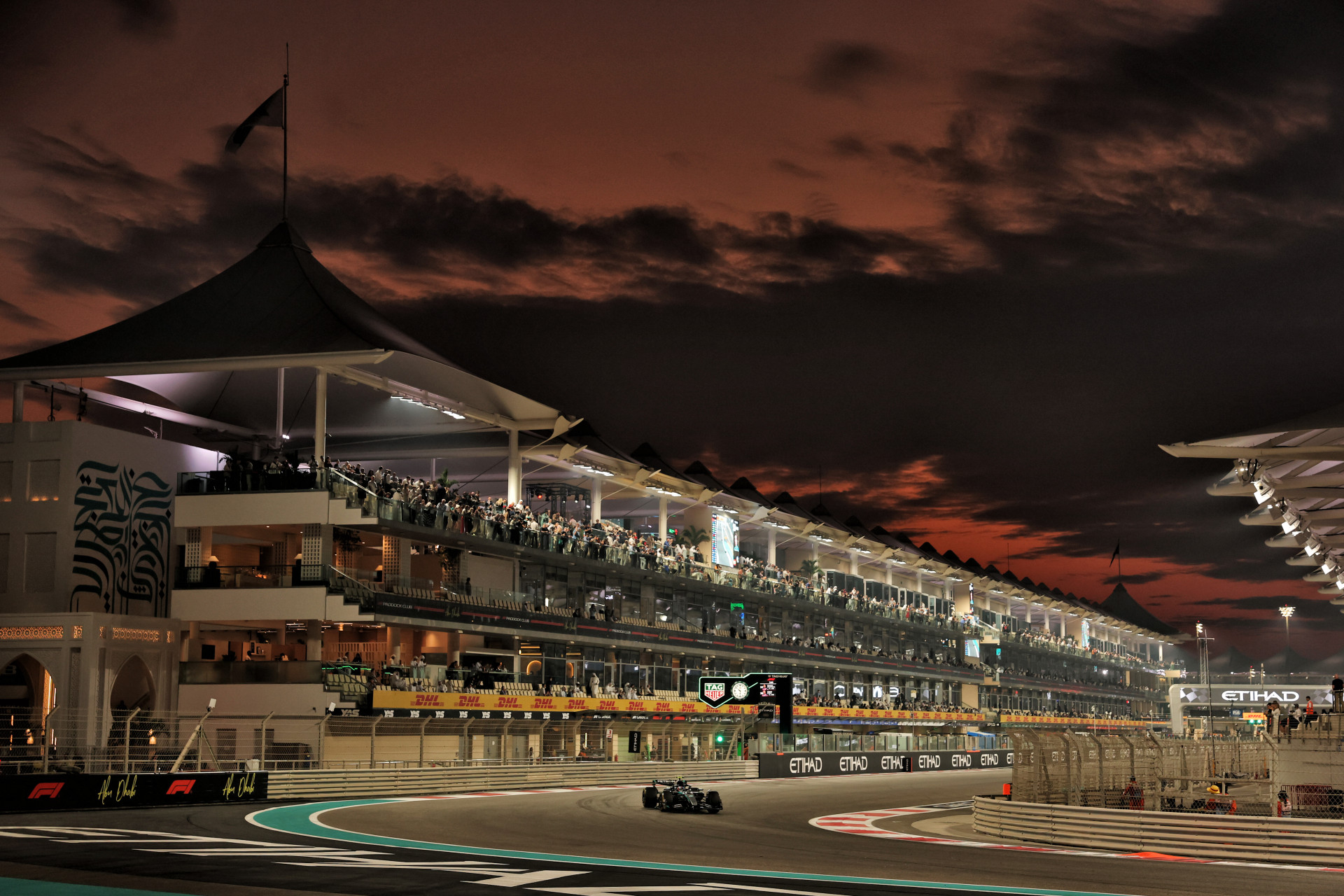
While a ceasefire has remained in place since April, uncertainty continues to surround the two season-ending Middle East events scheduled for November 29 in Qatar and December 6 in Abu Dhabi.
Speaking to French outlet L’Equipe, Domenicali confirmed Formula 1 is actively preparing alternative options should the Qatar and Abu Dhabi grands prix be unable to proceed amid ongoing instability in the region.
“As with Covid, we have to try to be as pragmatic as possible,” Domenicali said.
“The fact that we’ve withdrawn the Bahrain and Jeddah races so far stems from the fact that we knew it wasn’t possible to go there at the time.
“Especially since we’re entertainment, a sport that brings joy and pleasure. You have to go to a place where that’s truly the atmosphere.
“We hope, for Formula 1 but especially for the world, that the situation improves as quickly as possible.”
Domenicali admitted Formula 1 would soon need to make a final call on the viability of the remaining Gulf races due to the logistical complexities.
“Promoters in Qatar and Abu Dhabi are already selling tickets, and sales are going very, very well,” he said.
“But there will come a time when we have to make decisions, because it’s not like a football match where there are only two teams, 22 players, and where substitutions are easy.
“For us, there’s the logistical complexity, the costs.”
The Italian also revealed rescheduling races later in the season would be extremely difficult because of the lack of available dates on the calendar.
“To be transparent, I think rescheduling both is impossible,” Domenicali said.
“And even rescheduling just one won’t be easy. There aren’t many available slots.”
However, he confirmed Formula 1 was already evaluating alternatives if further cancellations become necessary.
“I can confirm that we have a contingency plan,” he said.
“And if the two end-of-year races cannot take place because the war is not over, we will have other alternatives.”
While Domenicali did not elaborate on the alternatives, there has been speculation that other venues could step in as replacement rounds.
Turkey has emerged as one possible replacement venue, with FIA president Mohammed Ben Sulayem recently suggesting Istanbul Park could potentially return a year earlier than planned if homologation requirements are completed in time.
Silverstone has also publicly offered to host a second race this season if required, having previously staged a double-header during the COVID-affected 2020 campaign.
Domenicali did, however, dismiss the prospect of the Las Vegas Grand Prix becoming the season finale if Qatar and Abu Dhabi are removed from the calendar.
“No, it won’t be the last race on the calendar,” he said.
“I can confirm that.”
Alongside the calendar uncertainty, Domenicali also voiced strong support for F1’s proposed return to V8 engines.
Ben Sulayem recently revealed plans are being explored to introduce simplified V8 power units running on sustainable fuel by 2031, potentially sooner if manufacturers agree.
Domenicali backed the idea emphatically.
“One thousand percent, I’ve always said so,” he said.
“I fully support the vision of the FIA president. With sustainable fuel, lighter cars, and V8 engines, we rediscover the pure essence of motorsport.
“That’s what I’ve always loved.”
The comments come amid ongoing criticism surrounding F1’s new 2026 power unit regulations, which place a far greater emphasis on battery deployment and energy recovery.
Drivers have raised concerns over “superclipping”, excessive lift-and-coast and reduced straight-line performance under the new rules, although Domenicali defended the current regulations as a necessary compromise to keep manufacturers in the sport.
“Some people – I would add, very few people – are complaining about the rules,” he said.
“I’m simply stating a fact. We mustn’t forget that these changes were necessary; otherwise, the manufacturers would no longer have supplied engines to the teams.
“That was their wish. That’s a fact.
“And since we didn’t want to go fully electric, a compromise was found to attract new manufacturers.”