
Over the years, Ferrari has always been considered a team lacking in aerodynamic innovation, with a rather conventional approach to interpreting the regulations. The 2026 season, however, is positioning the Maranello team as a leader in aerodynamic innovation thanks to the numerous solutions adopted on the SF-26.
The most striking of these, and the one that has piqued the interest of rival teams since testing in Bahrain, is the rear wing with a fully adjustable flap, commonly known as the ‘Macarena’ wing.
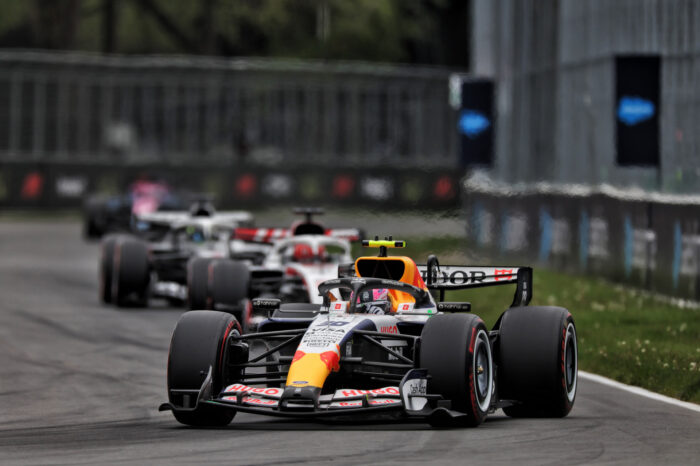
Red Bull was the first team to draw inspiration from this solution, introducing its own version in Miami as part of a comprehensive package of updates to the RB22.
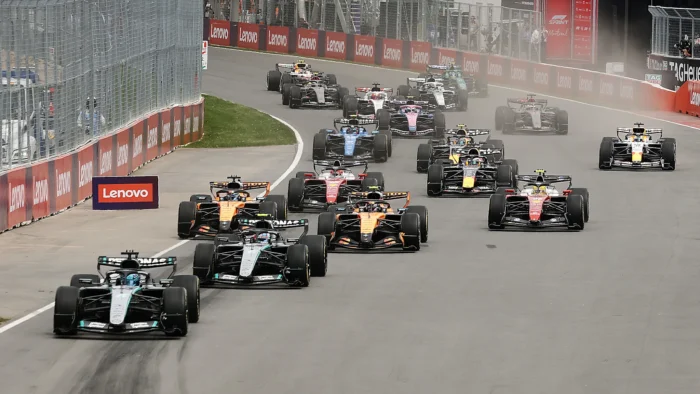
In Miami, McLaren, on the other hand, brought a very extensive development of the MCL40, primarily focused on the sidepods, underbody, and front wing, but without a substantial redesign of the rear wing. Both in Florida and in the days following the Miami race, rumours have grown increasingly strong that the second part of the aerodynamic package, scheduled for Montreal, will feature as its most significant element the debut of a Woking-made version of the wing inspired by Ferrari’s Macarena.
It is understood that the team led by Andrea Stella – who previously stated that the MCL40 would be upgraded in two phases across Miami and Montreal – has spent the last two months thoroughly analysing the potential of this aerodynamic component, concluding that its adoption could yield real benefits for the MCL40.
Hence, the rushed production of this component is complicated by the different pivot points that determine the flap’s movement compared to the standard central actuator.
The units required for installation on both cars, including spares, were reportedly manufactured in time to be shipped to Canada.
At the moment, however, their actual use remains uncertain, namely, whether to include them in the FIA submissions to allow their use starting from the single free practice session on Friday.
The potential obstacle, in fact, would stem precisely from this weekend’s Sprint format, which effectively prevents a thorough evaluation of new components, but it is equally worth noting that the format was the same in Miami, and this did not deter Ferrari, Red Bull, and McLaren itself from introducing substantial innovations.